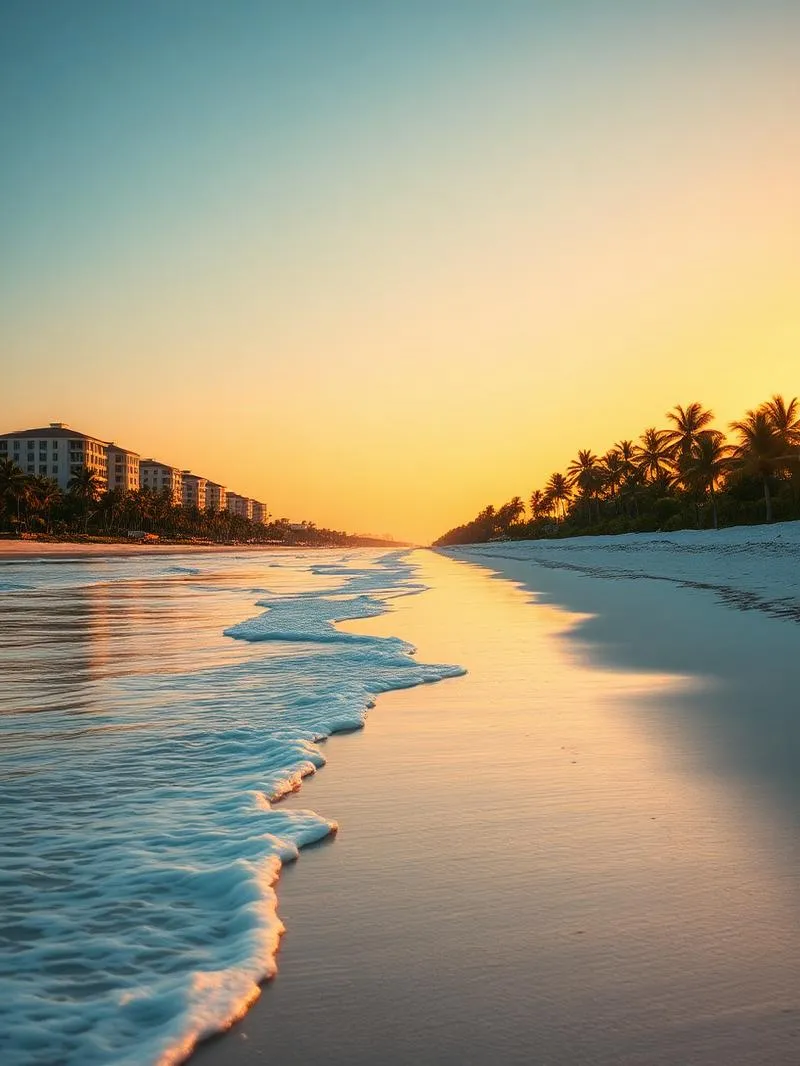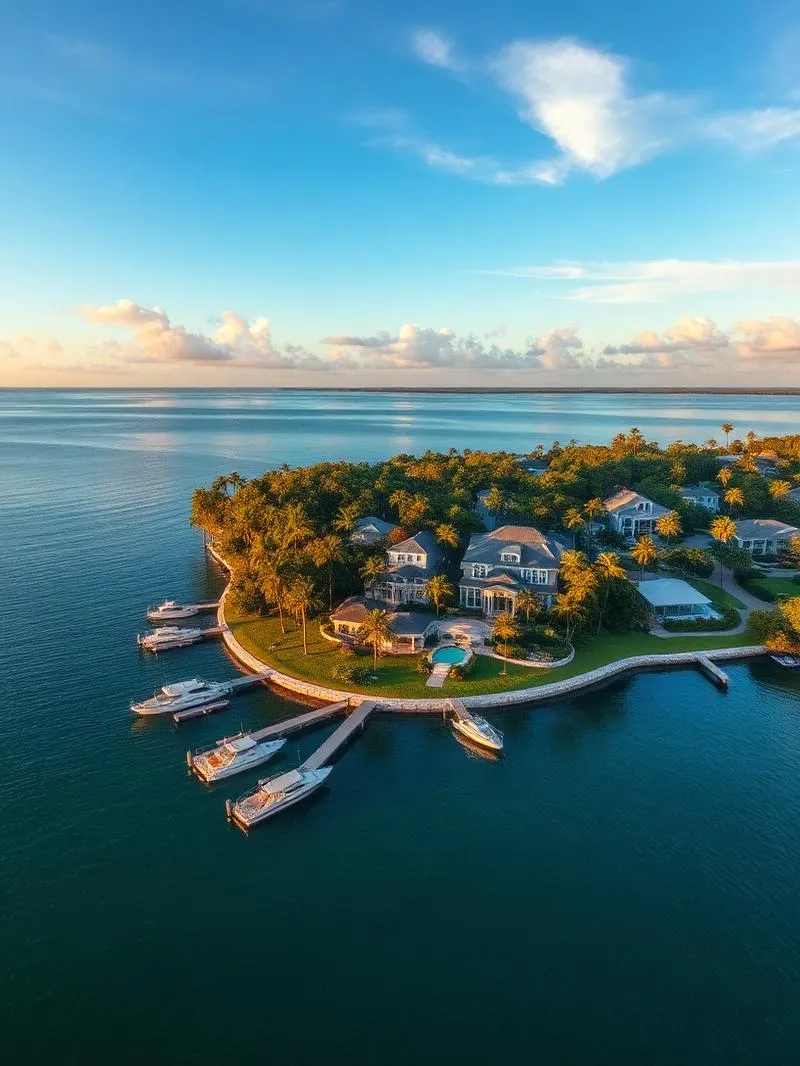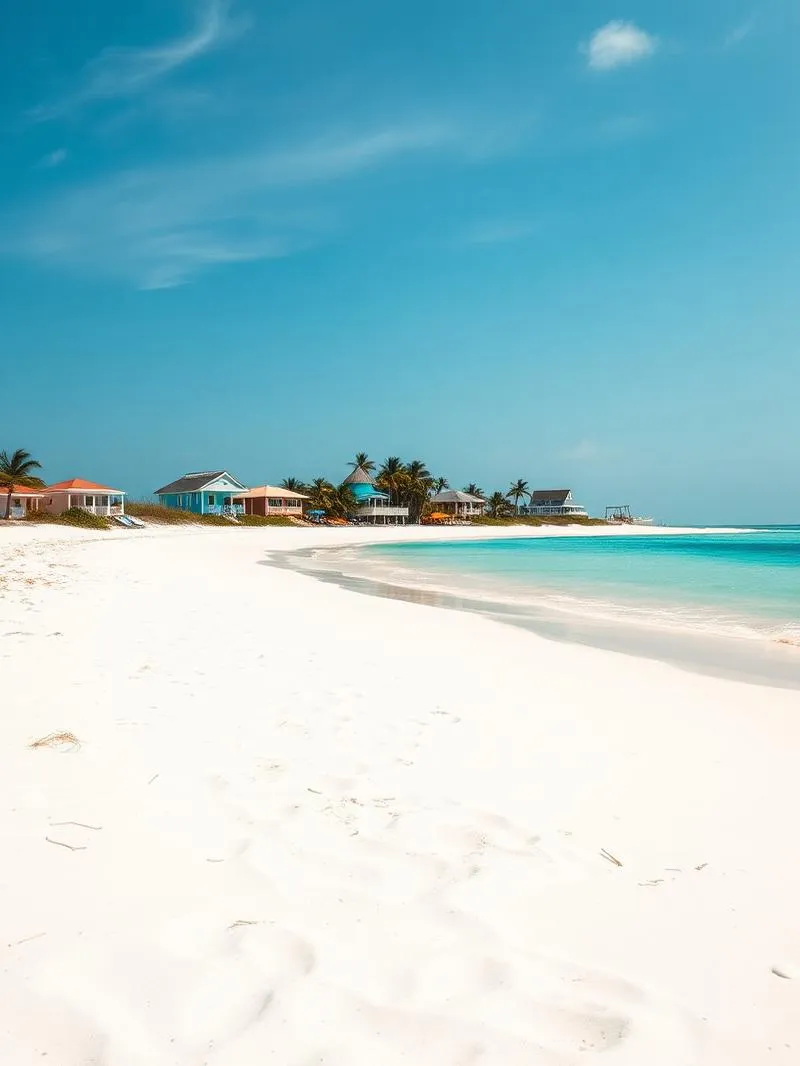
The Gulf Coast of Florida offers one of the most diverse and accessible boating environments in the world. From the calm, emerald waters of Sarasota Bay to the open Gulf of Mexico, the region is a paradise for boaters of every stripe — from weekend sailors to offshore sportfishermen, from paddleboard enthusiasts to yacht owners cruising the Intracoastal Waterway. The boating lifestyle here isn't a weekend hobby; it's a way of life that shapes social calendars, real estate decisions, and the very rhythm of daily living.
Sarasota Bay: The Heart of Gulf Coast Boating
Sarasota Bay serves as the region's boating hub, a protected waterway dotted with sandbars, mangrove islands, and quiet anchorages that feel a world away from the mainland. Stretching roughly 15 miles from New Pass in the north to Venice Inlet in the south, the bay offers a variety of experiences within a single body of water: deep channels for cruising, shallow flats for fishing, and protected coves for anchoring and swimming.
Weekend gatherings at Beer Can Island — a shifting sandbar near Longboat Key — have become a local institution, where yacht owners, kayakers, and paddle boarders congregate for an impromptu afternoon social. At peak season, the sandbar transforms into a floating party: boats rafted together, grills smoking on swim platforms, children splashing in the shallows, and a soundtrack of classic rock drifting across the water. It's not exclusive or curated — it's spontaneous, democratic, and quintessentially Gulf Coast.
For those who prefer solitude, the bay's eastern shoreline — a labyrinth of mangrove creeks and tidal flats — offers kayaking and stand-up paddleboarding experiences that feel positively primeval. Manatees graze on seagrass just beneath the surface, dolphins herd fish in collaborative feeding spirals, and roseate spoonbills wade in the shallows with their improbable pink plumage. A dawn paddle through the mangroves is one of the Gulf Coast's most underrated experiences — free, accessible, and profoundly peaceful.
Offshore Adventures: The Open Gulf
For offshore enthusiasts, the Gulf of Mexico offers world-class fishing and cruising. The artificial reef system off Sarasota's coast creates productive fishing grounds for grouper, snapper, cobia, and tarpon — the legendary 'Silver King' that draws anglers from around the world each spring. Charter captains with decades of local knowledge can put you on fish within minutes of leaving the pass, making the Gulf Coast one of the most accessible offshore fishing destinations in the country.
Tarpon season, from late April through July, transforms the passes and beaches into an angler's paradise. These prehistoric fish — some exceeding 200 pounds — congregate in massive schools near Boca Grande Pass, New Pass, and Big Pass, rolling on the surface in a display that has to be seen to be believed. Sight-casting to a rolling tarpon with a live crab or a well-placed fly is considered the pinnacle of Gulf Coast fishing, and the catch-and-release culture ensures the fishery remains sustainable for future generations.
“There's no office in the world with a view like this. Twenty minutes from the dock and you're in 80 feet of water with grouper on the bottom and tarpon on top. That's the Gulf Coast commute.”
— Captain Rick Grassett, Sarasota fishing guide
Beyond the inshore reef system, the Gulf's deeper waters hold additional treasures. Amberjack, red snapper, and permit inhabit the wrecks and hard-bottom areas in 100 to 200 feet of water, while further offshore, pelagic species like mahi-mahi, wahoo, and even the occasional sailfish provide blue-water excitement. The Gulf's relatively calm seas — compared to the Atlantic — make offshore runs accessible to a wider range of boats and experience levels, contributing to the region's reputation as a boater's paradise.
Marina Facilities and Yacht Clubs
Marina facilities along the Gulf Coast have undergone significant upgrades in recent years. Sarasota Yacht Club, Bird Key Yacht Club, and the Longboat Key Moorings offer members deep-water slips, full-service maintenance, dining, and social programming that extends the boating lifestyle beyond the water itself. These clubs serve as social anchors for the waterfront community, hosting regattas, fishing tournaments, holiday cruises, and dock parties that structure the season's social calendar.
For non-club members, the region offers excellent public and commercial marina options. Marina Jack, located on Sarasota's bayfront, provides transient dockage in one of the most scenic locations on the Gulf Coast — steps from downtown restaurants, galleries, and the Ringling Causeway. The newly developed Waterside at Lakewood Ranch has added marina options for inland residents seeking bay access, with dry storage and launch services that make boat ownership practical even without waterfront property.
The trend toward dry storage — rack-stored boats that are launched and retrieved by forklift — has expanded access to boating for residents who lack private dockage. Modern dry-stack facilities can have a boat in the water within 15 to 20 minutes of a phone call, making spontaneous afternoon fishing trips or sunset cruises entirely feasible. Monthly dry storage fees typically range from $15 to $25 per linear foot, making it a cost-effective alternative to wet-slip rental for boats up to about 35 feet.
Dining by Boat: A Gulf Coast Tradition
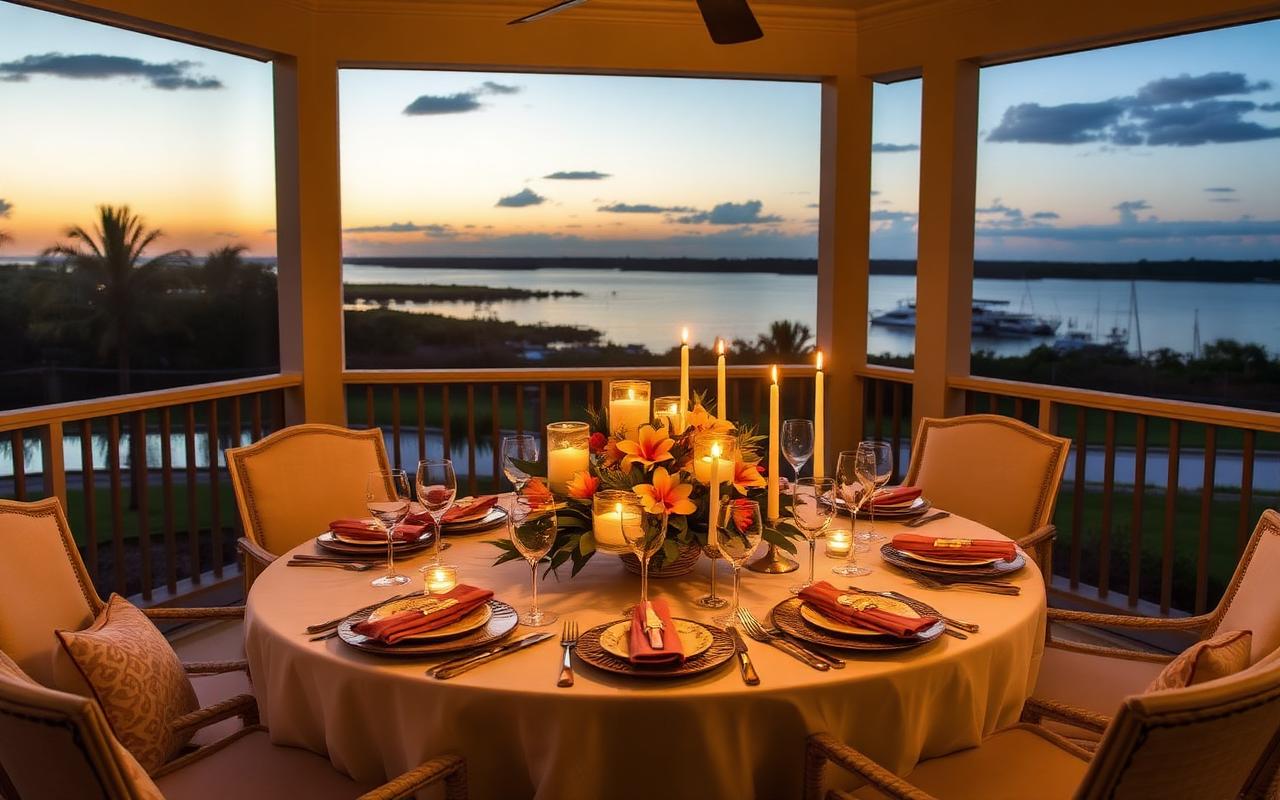
The boating lifestyle extends beyond the water itself. Waterfront restaurants accessible only by boat — like Mar Vista Dockside on Longboat Key — offer a uniquely Gulf Coast dining experience. Pulling up to the dock, tying off, and enjoying fresh grouper with sand between your toes is a pleasure that never gets old. The integration of boating and dining is so fundamental to Gulf Coast culture that many residents choose restaurants based on dockage availability rather than Yelp reviews.
Mar Vista occupies a special place in the Gulf Coast boating tradition. The original building dates to the 1940s, and the restaurant has maintained its Old Florida character even as the island around it has been developed and redeveloped. The dock accommodates boats up to about 30 feet, and the unwritten rule is that arriving by water earns you a better table — usually the one closest to the bay, where dolphins regularly perform during dinner service.
Other notable boat-up dining destinations include O'Leary's Tiki Bar on Sarasota Bay (accessible via the Bayfront Marina), the Crow's Nest on Venice Island, and numerous tiki bars and waterfront grills scattered along the Intracoastal. For boaters willing to venture a bit further, the Cabbage Key Inn — a remote island restaurant accessible only by boat, famous for its walls papered with dollar bills — makes for an unforgettable day trip from Sarasota Bay.
Choosing the Right Vessel for Gulf Coast Waters
For those considering waterfront property, understanding the boating culture helps inform real estate decisions. The most popular vessel types on the Gulf Coast reflect the diversity of the waterways. Center-console fishing boats (21-34 feet) dominate, offering the versatility to fish inshore flats, run offshore to the reef system, and cruise to waterfront restaurants. Brands like Boston Whaler, Yellowfin, and Contender are the workhorses of the Gulf Coast fleet.
Bay boats — shallow-draft, flats-style vessels typically 18-24 feet — are ideal for exploring the skinny water of the mangrove creeks and grass flats. These boats draw as little as 8 inches, allowing access to areas that deeper-draft vessels can't reach. For the serious inshore angler targeting redfish, snook, and spotted seatrout on the grass flats, a quality bay boat is the tool of choice. Brands like Maverick, Hewes, and Pathfinder are Gulf Coast favorites.
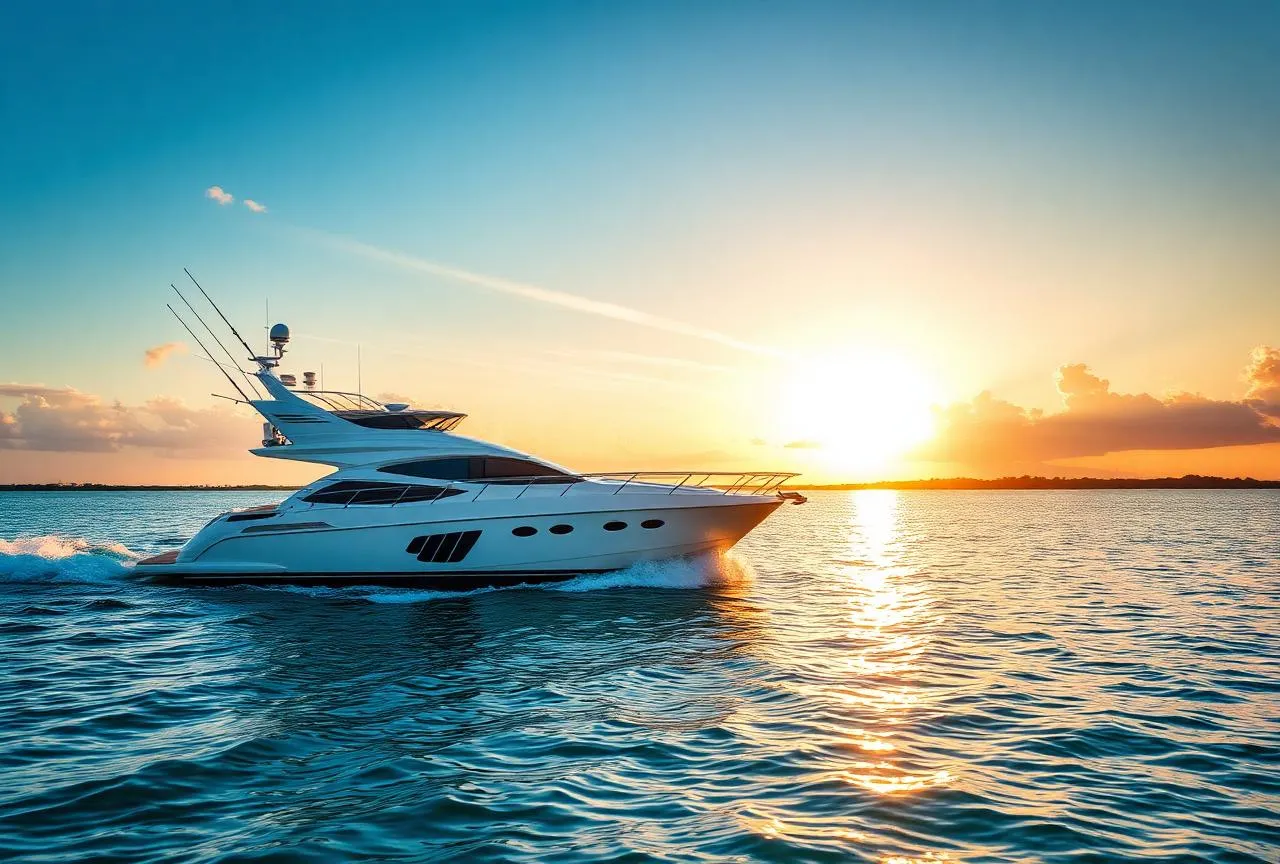
Larger cruising vessels — from 40-foot express cruisers to 80-foot motor yachts — are well-represented on the Gulf Coast, particularly among residents of Bird Key, Longboat Key, and Lido Key where deep-water dockage is available. The Intracoastal Waterway provides a protected cruising corridor that allows larger vessels to travel hundreds of miles without entering open water, making the Gulf Coast an ideal base for extended cruising adventures to the Keys, the Bahamas, or north to the Panhandle and beyond.
Navigational Considerations for Homebuyers
Our team works closely with marine surveyors and dock builders to ensure your boating lifestyle is fully supported by your home. Not all waterfront lots include dock permits, and water depth, bridge clearances, and proximity to passes all affect which vessels can be accommodated. The Ringling Causeway Bridge, for example, has a fixed clearance of 65 feet — sufficient for most sailboats and motor yachts, but a limiting factor for the tallest sportfishers.
Bridge clearances throughout the region should be mapped before purchasing a vessel or a property. The Siesta Drive Bridge (18 feet), the Stickney Point Bridge (25 feet), and the Cortez Bridge (22 feet) all restrict access for larger vessels heading south through the Intracoastal. Understanding these choke points — and their opening schedules for drawbridges — is essential for buyers planning to use their vessels for serious cruising.
“Whether you're watching dolphins play off the bow at sunrise or anchoring off a deserted island for a sunset picnic, the Gulf Coast's boating culture is an integral part of the luxury lifestyle that draws people here from around the world.”
Whether your vision of the boating life involves pulling tarpon in the passes, anchoring off a deserted sandbar with a cooler of cold drinks, or cruising the Intracoastal on a motor yacht with a cocktail in hand, the Gulf Coast delivers. The combination of protected waters, world-class fishing, excellent marina infrastructure, and a social culture that revolves around the water makes this one of the finest boating regions in the world. It's a lifestyle that, once experienced, becomes impossible to imagine living without.
Explore the Neighborhoods
Discover the areas mentioned in this article