Beyond the famous white-sand beaches and sparkling bays, Sarasota harbors a quieter, greener kind of beauty — one that reveals itself in botanical gardens, hidden neighborhood oases, and the lush tropical landscapes that frame the Gulf Coast's most coveted estates. For those who look beyond the shoreline, the region's botanical abundance offers a dimension of luxury that is profoundly personal, endlessly seasonal, and unlike anything found elsewhere on the American mainland.
Marie Selby Botanical Gardens: The Crown Jewel
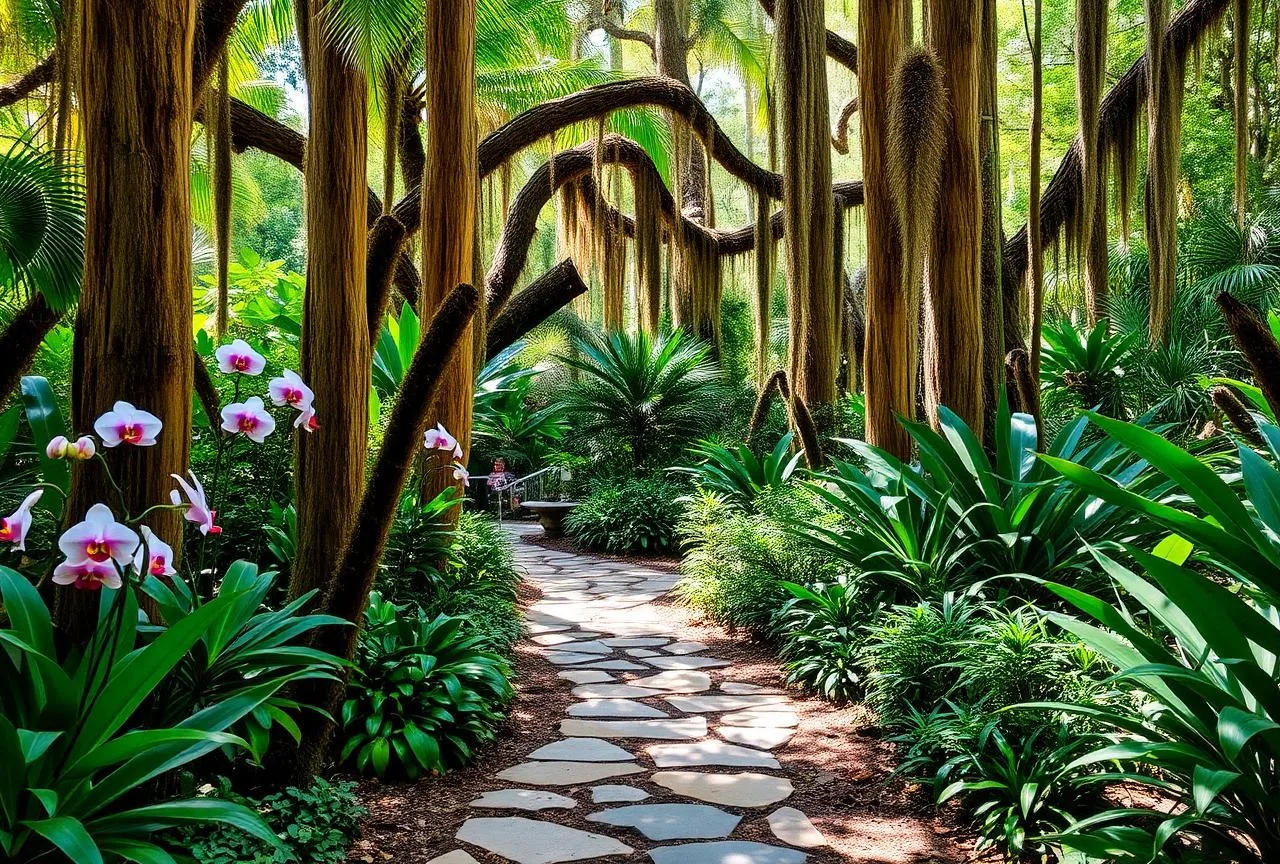
Marie Selby Botanical Gardens stands as the crown jewel of Sarasota's green spaces. Situated on a stunning 15-acre bayfront campus, Selby is home to the world's most comprehensive collection of epiphytes — orchids, bromeliads, and ferns that grow without soil, clinging to trees in a cascade of color and texture. The newly expanded campus, designed by Renzo Piano's firm (RPBW), seamlessly blends indoor botanical displays with outdoor garden rooms, creating a visitor experience that is equal parts science, art, and pure sensory pleasure.
The orchid collection alone is staggering — over 6,000 living plants representing more than 3,000 species and hybrids. The research greenhouse, while not always open to the public, houses specimens collected from cloud forests in Ecuador, mangrove swamps in Borneo, and limestone cliffs in Madagascar. For orchid enthusiasts, a behind-the-scenes tour arranged through the gardens' membership program is one of the Gulf Coast's most exclusive and rewarding experiences.
Selby's outdoor gardens are designed as a series of distinct rooms, each with its own character and palette. The Tropical Conservatory simulates a dense rainforest canopy, complete with waterfalls and rare tropical species. The Bromeliad Garden showcases the extraordinary diversity of this plant family, from delicate tillandsias to dramatic neoregelia hybrids in shades of crimson, chartreuse, and electric purple. The Banyan Grove — anchored by an enormous Ficus benghalensis with aerial roots spanning 60 feet — provides one of the most photographed natural settings in the region.
Historic Spanish Point: Where Nature Meets History
Less well-known but equally enchanting is Historic Spanish Point, a 30-acre environmental and archaeological preserve on Little Sarasota Bay. Here, trails wind through butterfly gardens, pioneer-era buildings, and a prehistoric shell mound dating back 5,000 years — a living connection to the region's deep history that places human habitation in the context of the natural landscape that sustained it.
The butterfly garden at Spanish Point is a masterwork of ecological design. Planted exclusively with native species that serve as host and nectar plants for Gulf Coast butterflies, the garden attracts clouds of zebra longwings (Florida's state butterfly), gulf fritillaries, monarchs, and the stunning Atala butterfly — once thought extinct, now making a comeback thanks in part to plantings of its host plant, coontie palm, at sites like Spanish Point.
“A garden is not just a collection of plants. It's a conversation between human intention and natural process — and on the Gulf Coast, nature always has the last word.”
The preserve's walking trails offer a three-dimensional timeline of the region's natural and human history. From the 5,000-year-old Archaic-period shell middens (massive mounds of oyster shells left by indigenous peoples) through the pioneer homestead of Florida's early settlers to the formal gardens of socialite Bertha Palmer, who purchased the property in 1910, Spanish Point layers centuries of history into a single, walkable landscape.
Private Gardens of Bird Key and McClellan Park
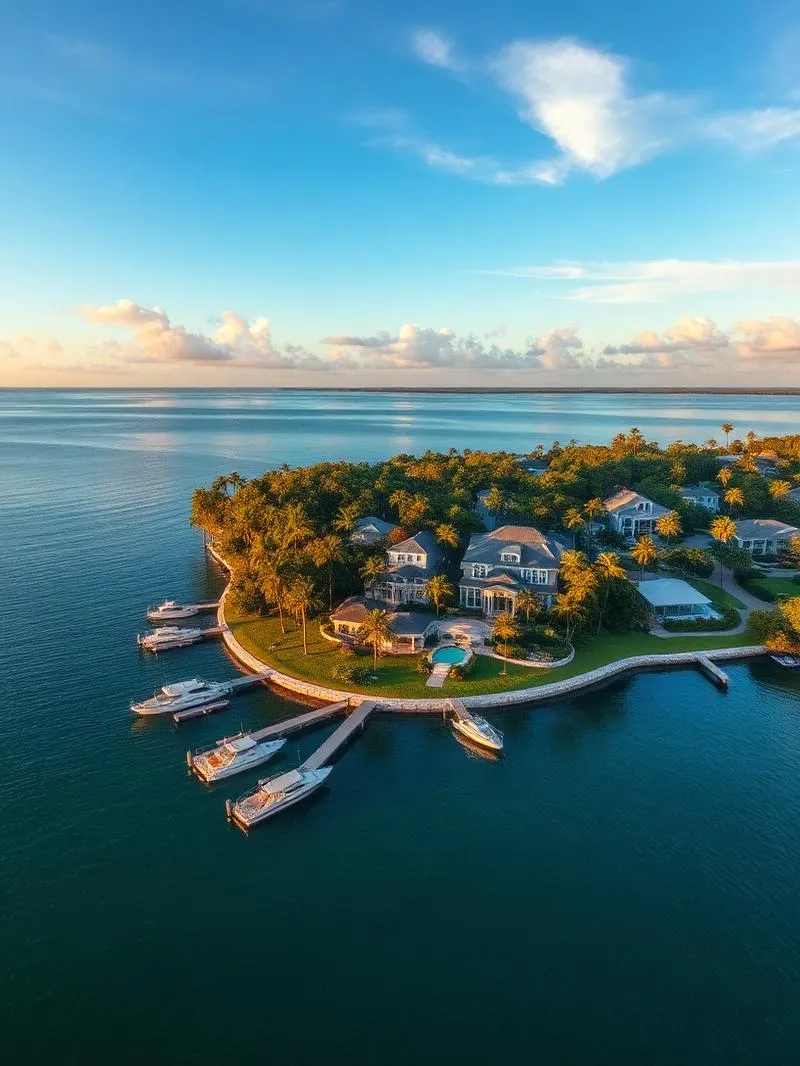
Private gardens on Bird Key and in McClellan Park represent some of the most impressive horticultural achievements on the Gulf Coast. Many homeowners work with landscape architects who specialize in tropical and subtropical plantings, creating private paradises of royal palms, flowering frangipani, jasmine hedges, and native saw palmetto. These gardens are rarely seen by the public but represent an extraordinary level of investment in living beauty.
On Bird Key, several estates feature gardens that rival public botanical institutions in their diversity and curation. One notable property maintains a collection of over 200 palm species — from the massive Bismarckia nobilis with its silver-blue fan fronds to the delicate Christmas palm (Adonidia merrillii) that lines the property's entrance drive. The homeowner, a retired botanist, has spent two decades assembling the collection, sourcing specimens from nurseries across South Florida, Hawaii, and Australia.
McClellan Park, one of Sarasota's oldest and most prestigious neighborhoods, features some of the region's most mature tropical landscapes. Here, canopy trees planted 70 or 80 years ago have created a verdant tunnel effect along residential streets — live oaks draped in Spanish moss, enormous banyan trees with buttress roots spanning entire front yards, and towering royal palms that frame bay views with their smooth gray trunks. The effect is of a neighborhood that has been slowly absorbed by the tropical landscape, in the most beautiful way possible.
The Gulf Coast's Unique Growing Climate
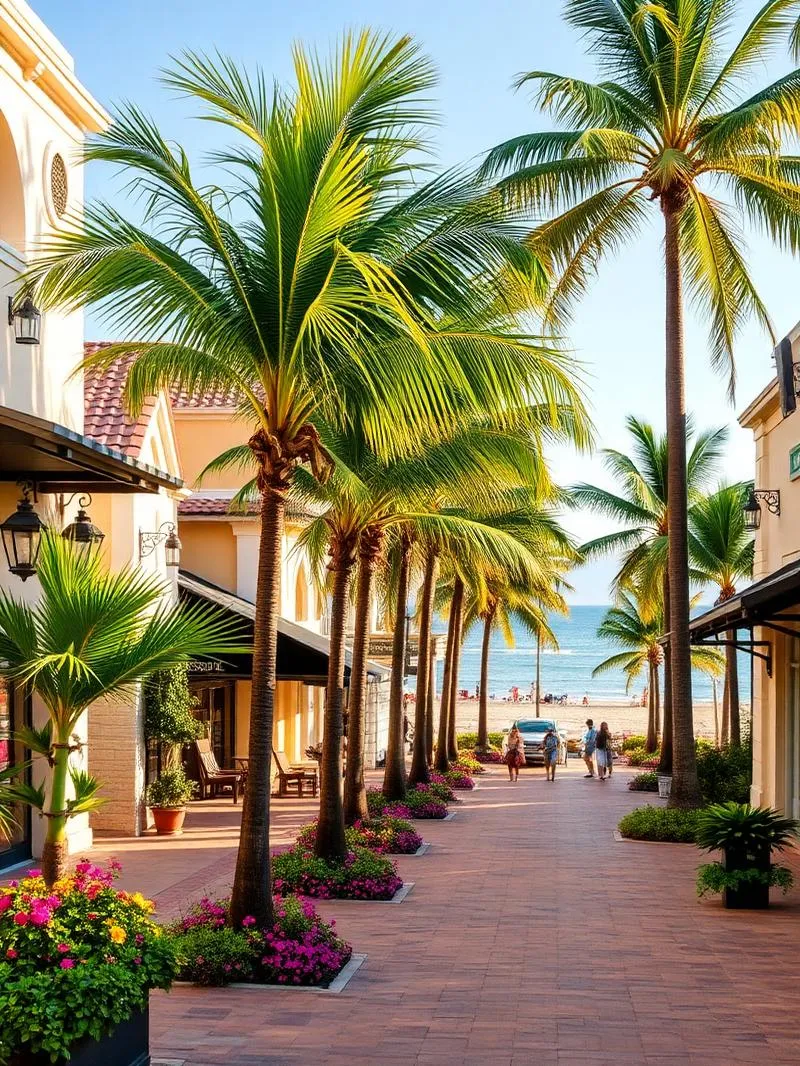
The Gulf Coast's unique climate — USDA Zone 10a, with average annual minimum temperatures of 30-35°F — allows for an extraordinary diversity of plantings. Tropical species that can only be grown in greenhouses elsewhere thrive outdoors year-round here. This botanical abundance is one of the region's most underappreciated luxuries, creating a landscape that feels more like the Caribbean than mainland America.
The growing season is effectively year-round, with the coolest months (December through February) still mild enough for most tropical species. The brief winter cool-downs actually benefit many plants, triggering bloom cycles in species like the royal poinciana, jacaranda, and Hong Kong orchid tree that need a temperature signal to flower. The result is a rolling calendar of bloom: bougainvillea erupts in winter, royal poincianas blaze in May, plumeria perfumes the air from June through October, and native wildflowers carpet open spaces in fall.
Rainfall patterns shape the garden year. Summer's daily afternoon thunderstorms provide abundant natural irrigation, while winter's drier conditions stress some tropical species but coax others into their most spectacular bloom. The best Gulf Coast landscape architects design for both seasons, selecting species with complementary water needs and creating microclimates — sheltered spots for moisture-loving ferns, exposed areas for sun-hungry succulents — that maximize diversity within a single property.
Landscape Architecture as Luxury Amenity
For luxury homeowners, landscape architecture has become as important an investment as interior design. The best Gulf Coast landscape firms — including Hoerr Schaudt, EDSA, and local practices like Sievert Larsen & Associates — approach residential landscapes with the same rigor and creativity they bring to resort and institutional projects. Budgets for comprehensive landscape design on Gulf Coast estates routinely reach $500,000 to $2 million, reflecting the complexity of creating layered, mature-looking landscapes in the subtropical environment.
The trend toward 'instant landscape' — installing large-specimen trees and mature plantings to create an established look from day one — has created a specialized supply chain. Nurseries in Homestead, the palm capital of North America, grow specimen palms for decades before selling them to Gulf Coast estates. A single 30-foot Medjool date palm, planted with its root ball, can cost $15,000 to $25,000 installed — but it provides an immediate sense of permanence and grandeur that smaller trees take years to achieve.
“The most beautiful gardens on the Gulf Coast are the ones where you can't tell what was planted and what chose to grow. That's the art — making intention look inevitable.”
— David Sievert, Sievert Larsen & Associates
Sustainability has become a defining concern for Gulf Coast landscape design. Native plant gardens — featuring species like sea grape, gumbo limbo, firebush, and coontie — require less irrigation, fewer chemical inputs, and provide superior habitat for native birds and butterflies. Many homeowners are replacing traditional turf lawns with native groundcovers like sunshine mimosa and frog fruit, reducing water consumption while creating landscapes that feel more authentically connected to the Gulf Coast ecology.
Finding Peace in Green Spaces
For residents and visitors alike, these green spaces offer something essential: a reminder that the Gulf Coast's beauty extends far beyond its shoreline. In the shade of a banyan tree, surrounded by the fragrance of jasmine and the call of nesting herons, the pace of life slows to something approaching perfection. It's a form of luxury that can't be bought in a showroom or ordered from a catalog — it can only be grown, cultivated, and patiently tended.
The Japanese concept of shinrin-yoku — forest bathing, or the practice of immersing oneself in a natural environment for restorative benefit — has found a natural home on the Gulf Coast. The region's gardens, with their extraordinary sensory richness — the scent of night-blooming jasmine, the visual drama of a sunset-lit palm canopy, the sound of a breeze moving through bamboo — provide an environment that is scientifically proven to reduce cortisol levels, lower blood pressure, and improve overall well-being.
In a region known for its waterfront lifestyle, the gardens of Sarasota remind us that beauty grows in every direction — not just toward the horizon, but upward into canopies, outward along garden paths, and inward toward a deeper appreciation of the living world. For those who discover this quieter dimension of Gulf Coast living, the reward is a relationship with place that deepens with every season, every bloom, and every evening spent in the green embrace of a well-loved garden.
Explore the Neighborhoods
Discover the areas mentioned in this article