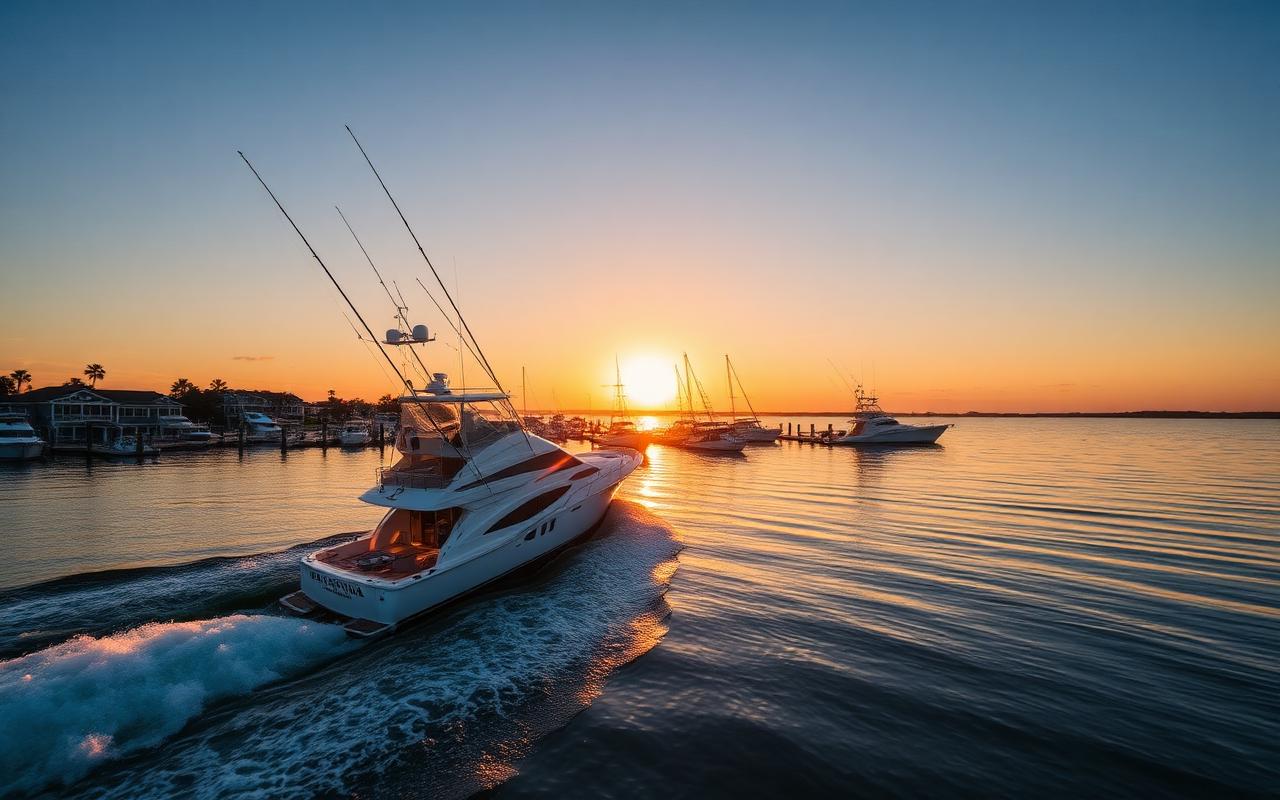
The Gulf Coast of Florida has long been one of the world's premier sport fishing destinations, offering a diversity of species and fishing environments that is genuinely unrivaled in the continental United States. From the skinny-water flats where redfish and snook tail in the grass to the deep-water wrecks and reefs where grouper and snapper prowl, the Gulf Coast's fishing grounds deliver experiences that range from serene to electrifying — often in the same morning.
Inshore: The Flats and Mangroves
The inshore fishery is the Gulf Coast's crown jewel. Miles of shallow grass flats, mangrove-lined creeks, and oyster bars create a complex, productive ecosystem that supports extraordinary populations of game fish. Snook — the region's most prized inshore species — patrol the mangrove edges and ambush baitfish in the passes. Redfish — copper-sided, stubborn fighters — tail in the grass flats, their tails breaking the surface in a sight that makes even veteran anglers' hearts pound. Spotted seatrout, sheepshead, and juvenile tarpon round out an inshore grand slam that can be achieved in a single morning.
Sight fishing on the flats is the purest form of the sport. A skilled guide poles a shallow-draft skiff across ankle-deep water, scanning for the shadows, wakes, and tailing fins that betray feeding fish. The angler casts — typically with a light spinning rod or fly rod — placing a lure or fly with precision in the fish's feeding path. The take, when it comes, is explosive and immediate. There is nothing in freshwater fishing that compares to the visual intensity and hair-trigger excitement of sight fishing the Gulf Coast flats.
The Tarpon: Silver King of the Gulf
Tarpon are the Gulf Coast's most iconic game fish. These prehistoric silver giants — averaging 80-120 pounds, with specimens over 200 pounds recorded — migrate through the region's passes and beaches from late April through August, creating a fishery that draws anglers from around the world. Hooking a tarpon is thrilling. Landing one — after a battle that can last 30 minutes to two hours, punctuated by spectacular aerial leaps — is an achievement that even experienced anglers remember for a lifetime.
“There are fish you catch. And then there are fish that change you. Tarpon are the second kind. Once you've been broken off by a 150-pound silver king in Boca Grande Pass, nothing else feels quite the same.”
Boca Grande Pass, about 45 minutes south of Sarasota by boat, is the epicenter of Gulf Coast tarpon fishing. The deep channel between Gasparilla Island and Cayo Costa funnels migrating tarpon into concentrated schools, creating one of the most productive big-game fisheries anywhere. During peak season, the pass can hold hundreds of boats — a testament to the fishery's reputation and the irresistible draw of these magnificent fish.
Offshore: Reefs, Wrecks, and Blue Water
The Gulf Coast's offshore fishery begins surprisingly close to shore. Artificial reefs and natural limestone ledges start appearing just 5-10 miles out, holding populations of gag grouper, red grouper, mangrove snapper, and amberjack. These near-shore structures are accessible to center-console boats in the 22-30 foot range, making quality offshore fishing available to a broad range of anglers and vessel sizes.
Further out — 30-60 miles — the shelf drops into deeper water, and the species mix shifts to include yellowfin tuna, blackfin tuna, king mackerel, cobia, and the occasional sailfish or blue marlin. Multi-day offshore trips to the Middle Grounds, a massive natural reef system about 80 miles northwest of Sarasota, are legendary for producing coolers full of gag grouper and red snapper, along with encounters with larger pelagic species.
Choosing a Guide
The Gulf Coast's charter fishing fleet includes some of the most skilled and knowledgeable guides in the country. Inshore guides typically operate flats boats or bay boats that accommodate 2-3 anglers, providing a highly personalized experience focused on sight fishing and light tackle. Half-day trips (4 hours) run $450-$650; full days (8 hours) run $700-$1,000. The best guides are booked months in advance during peak seasons, so planning ahead is essential.
For offshore excursions, larger charter boats — typically 30-45 foot center-consoles or sportfishers — accommodate 4-6 anglers with full tackle, bait, and fish-cleaning service included. Half-day nearshore trips start around $800; full-day offshore adventures run $1,500-$3,000 depending on distance and duration. For the ultimate experience, private sportfisher charters with experienced captains and mates provide a turnkey big-game fishing adventure.
Fishing and Real Estate
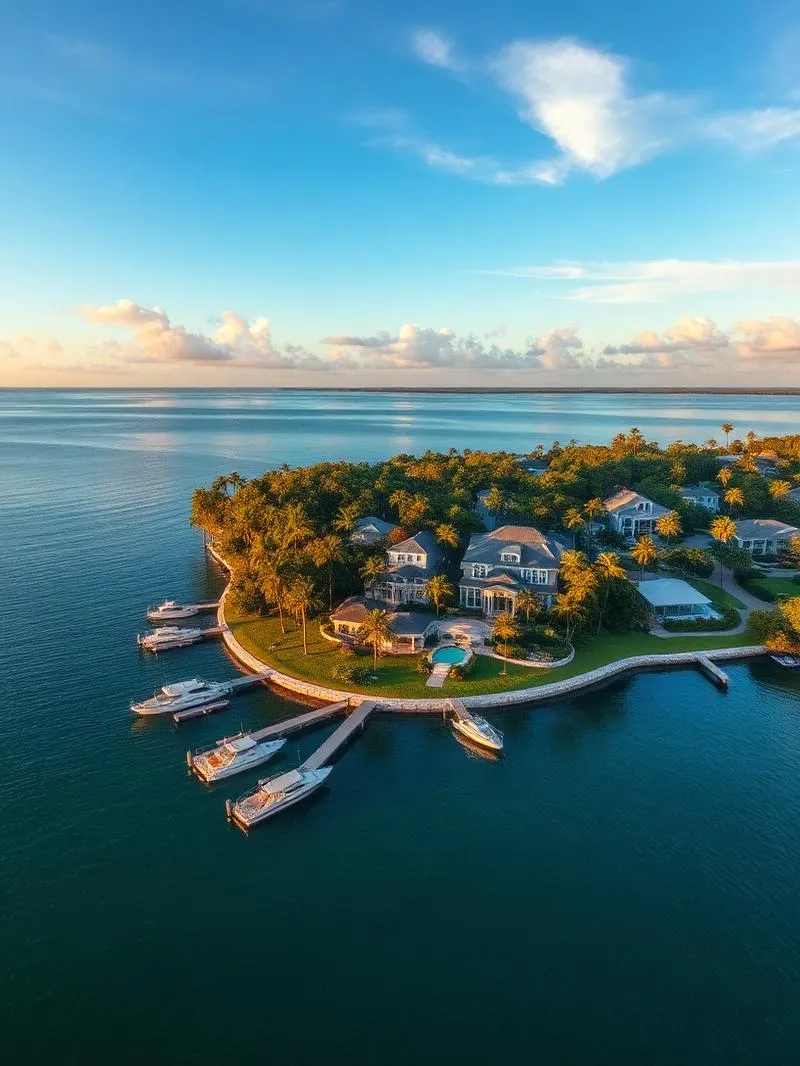
For serious anglers, the intersection of fishing and real estate is a primary driver of Gulf Coast property decisions. Properties with deep-water dockage on the bay side — particularly on Bird Key and Longboat Key — provide direct access to both inshore flats and, through the passes, the open Gulf. The ability to walk from your bedroom to your boat and be on the fishing grounds in minutes is a lifestyle luxury that transforms daily fishing from an expedition into a morning routine.
The Gulf Coast's sport fishing culture is, at its core, a story about the relationship between people and the extraordinary natural environment that surrounds them. Whether you're a fly fishing purist stalking tailing redfish on a crystal-clear flat or a big-game enthusiast battling tarpon in the passes, the Gulf Coast delivers fishing experiences that are world-class in every sense — and that make the region one of America's most compelling places to live for anyone who hears the call of the water.
Explore the Neighborhoods
Discover the areas mentioned in this article